A special project created with the support of the Jewish news portal · We sincerely love Azerbaijan — our Homeland, its people, culture, history and unique diversity.
Bibi-Heybat
RUAZENHE
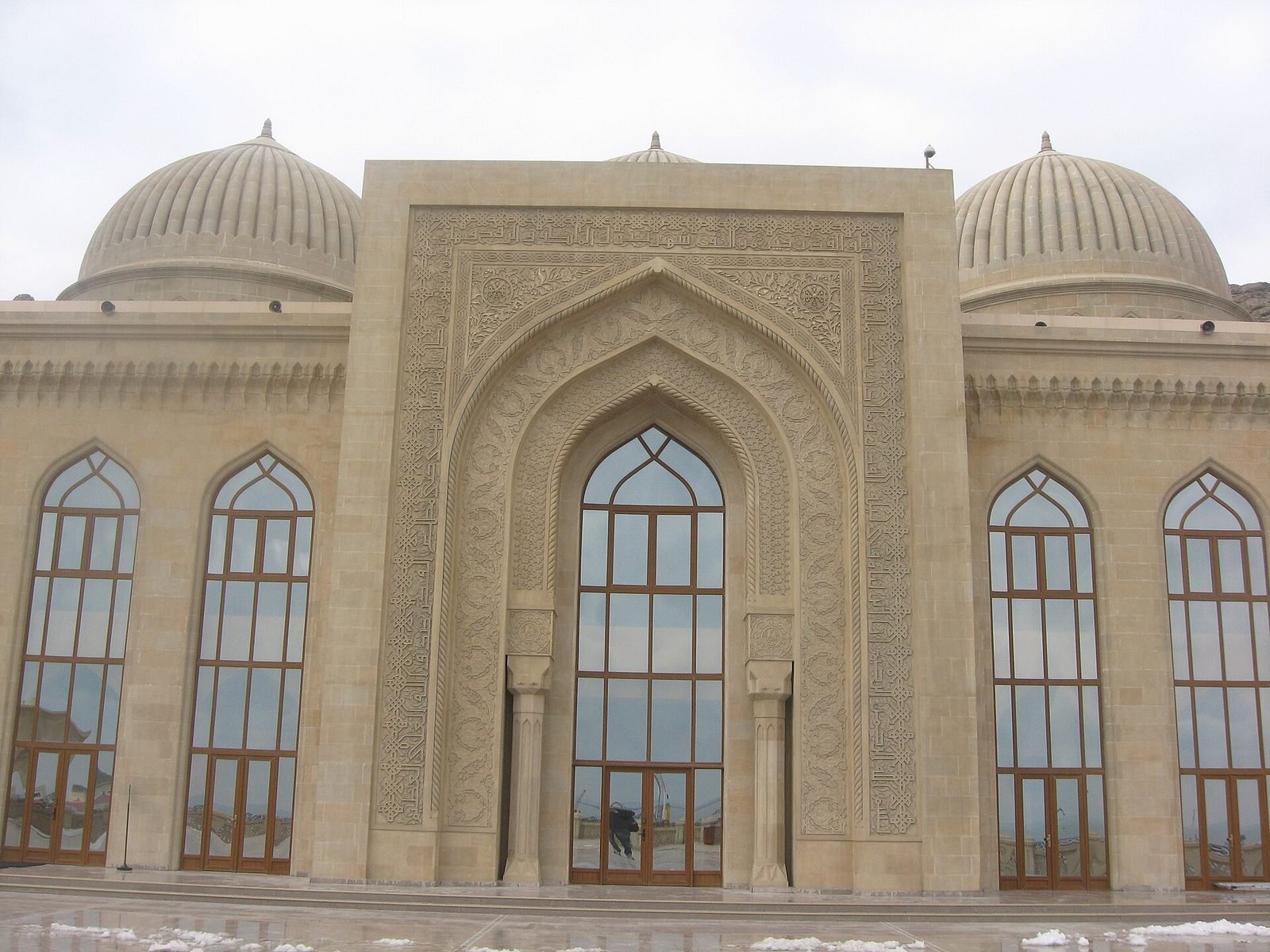
Портал мечети Биби-Эйбат
Azerbaijan · Caspian shoreA shrine near Baku

Bibi-HeybatA mosque and shrine on the Caspian shore — destroyed, and raised again

For centuries a mosque stood over the tomb of Ukeyma Khanum. Demolished in 1936, it was rebuilt from scratch and once more became one of the spiritual centres of Azerbaijan.

Scroll

About the shrine

A shrine that was destroyed — and raised from the ruins.

Bibi-Heybat is a mosque and revered shrine on the shore of the Caspian Sea, southwest of Baku, on the Baku–Alat highway. It is one of the best-known sacred sites of Azerbaijan.

At its heart is the tomb of Ukeyma Khanum, daughter of the seventh Shia Imam Musa al-Kazim, who found refuge here. A mosque was raised over her grave as early as the 13th century, and pilgrims flocked to it for centuries.

In 1936, during the Soviet campaign against religion, the ancient mosque was blown up. For long decades the site stood empty.

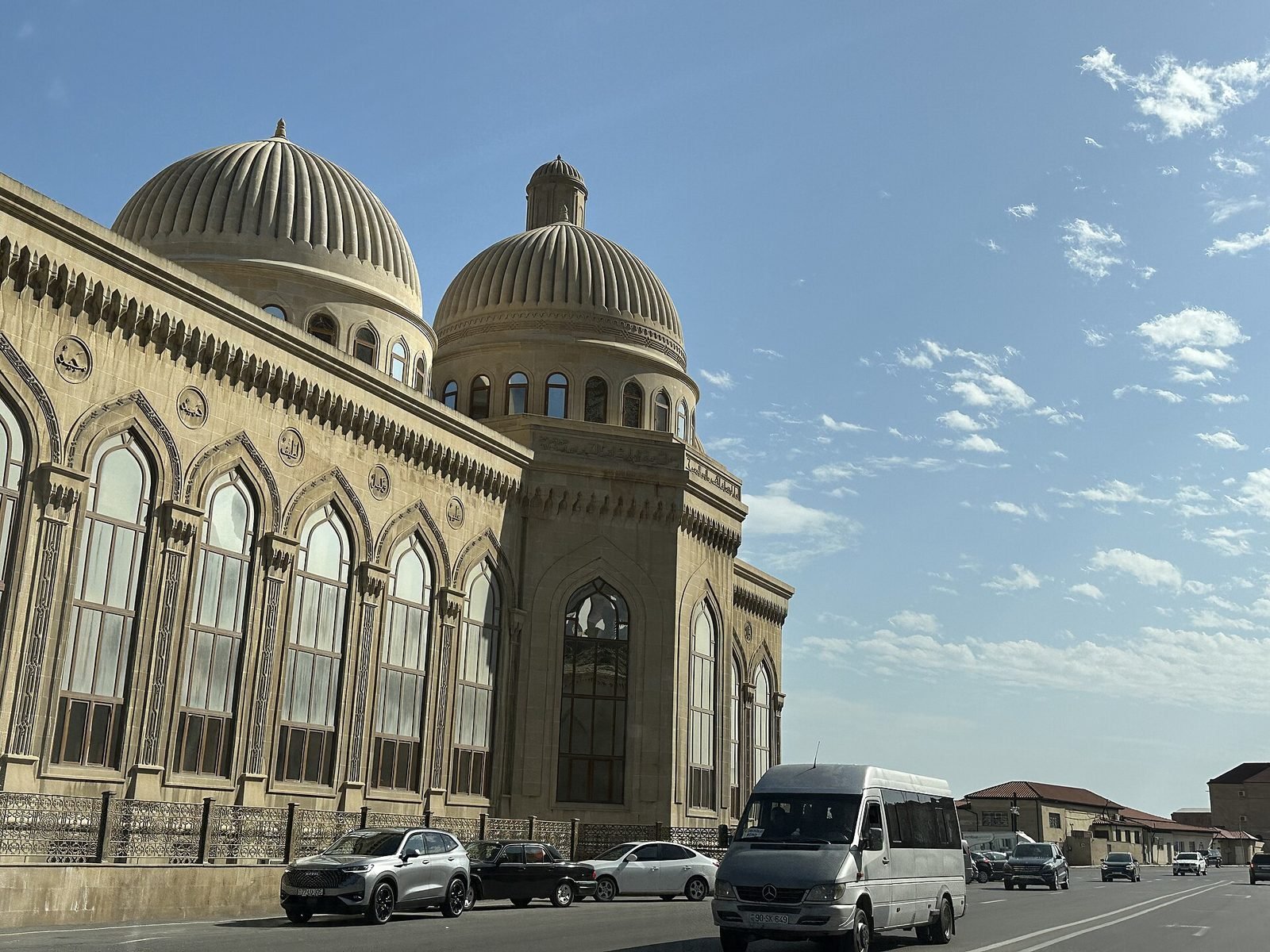
After independence the mosque was rebuilt from scratch. Today its domes and minarets rise again over the sea, while inside glow the tiles and golden calligraphy.

In brief

Bibi-Heybat in a few traits

13th c.the first mosque over the shrine
1936the mosque destroyed by Soviet rule
1994the rebuilding of the mosque begins
Caspianon the seashore, by the Baku–Alat road

Timeline

The shrine through time

From a medieval mosque to its rebirth — a short timeline of Bibi-Heybat.
13th century
A mosque is raised over the tomb of Ukeyma Khanum; it is linked to the rule of the Shirvanshahs.
Centuries of pilgrimage
Bibi-Heybat becomes one of the main places of pilgrimage for the Muslims of the Caucasus.
1850s
Alexandre Dumas visits and describes the shrine in his travel notes about the Caucasus.
1936
During the anti-religious campaign the ancient mosque is blown up; the shrine vanishes for almost 60 years.
1994
After independence, the decision is taken to rebuild the mosque on its former site.
1990s
The rebuilt mosque opens to worshippers; its gradual expansion begins.
2008
Construction of the present ensemble, with three domes and two minarets, is completed.
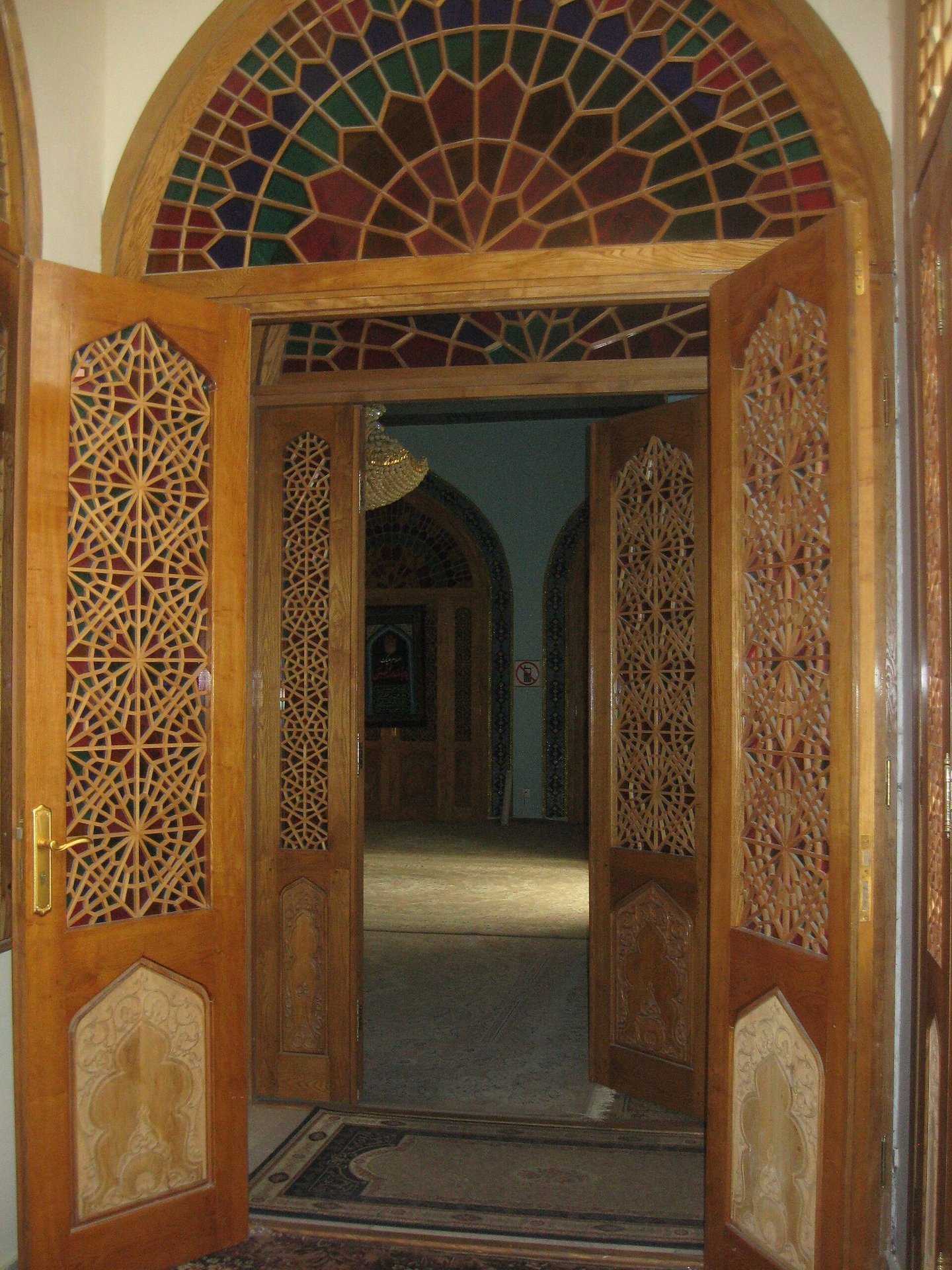
Вход в мечеть Биби-ЭйбатThe shrine

History

Ukeyma Khanum and her tomb

The heart of Bibi-Heybat is the tomb of Ukeyma Khanum, daughter of the seventh Shia Imam. By tradition she took refuge here from persecution, and a mosque grew over her grave.

This story — of destruction and rebirth — is kept by every stone of the shrine.
History of the shrine →

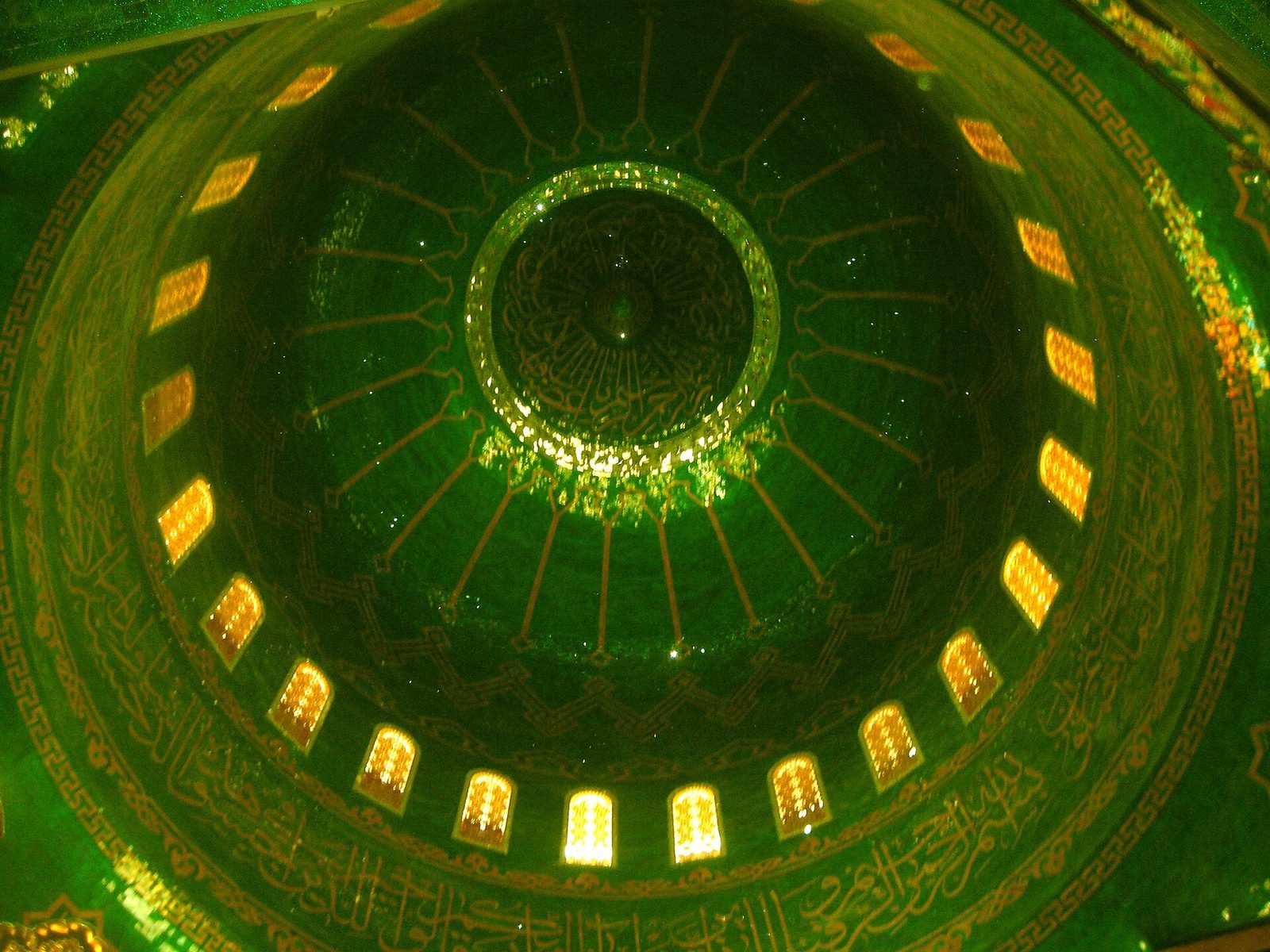
Купол мечети Биби-ЭйбатThe dome

Architecture

Domes, tiles and the word

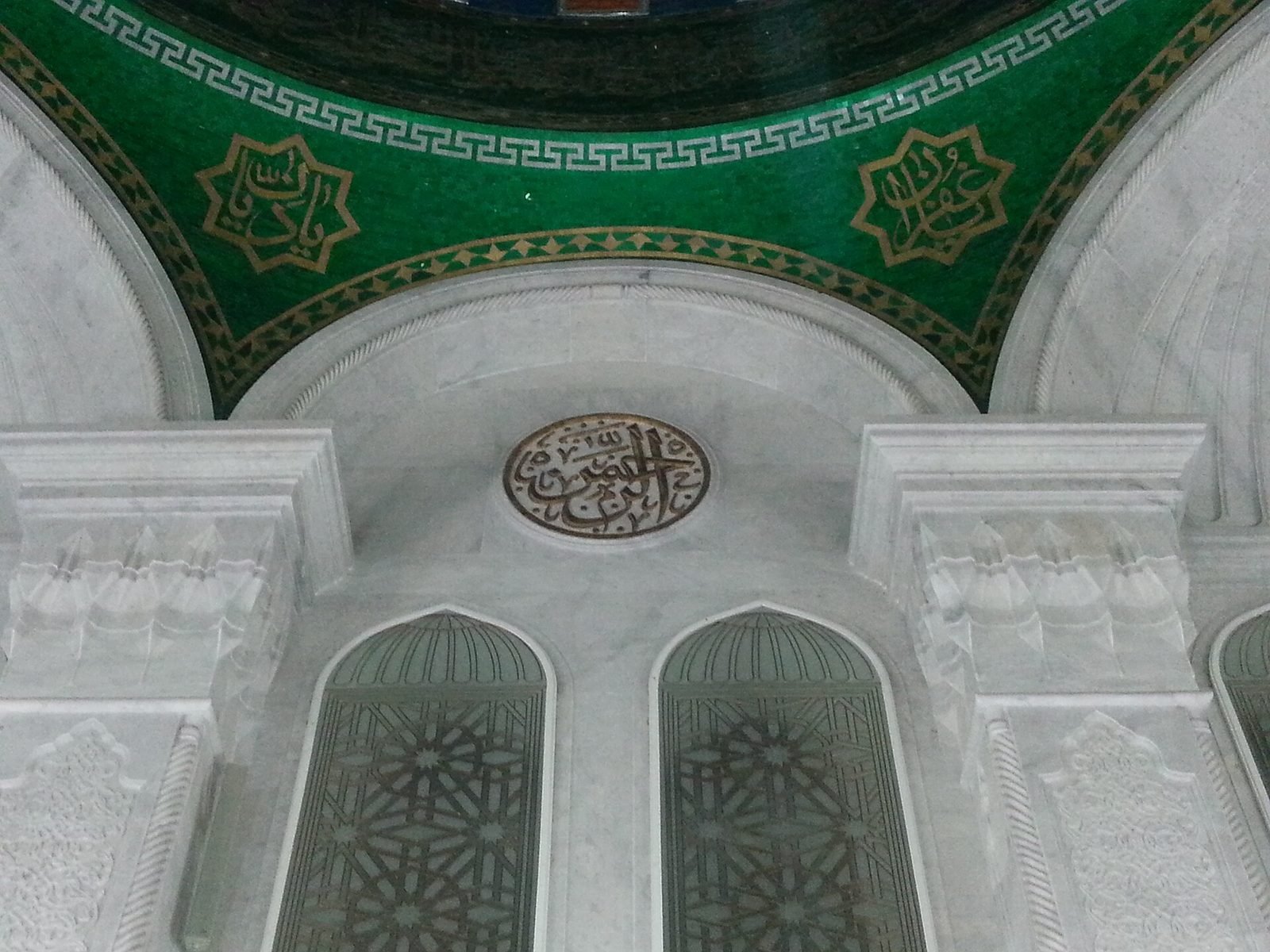
The present mosque is three domes and two minarets of pale stone. Inside are white marble, green tiles and the golden script of Quranic inscriptions.

Beneath the main dome, painted in green and gold, light and word become one.
Architecture of the mosque →

“Razed to the ground, it rose again — a reminder that faith cannot be erased.”

Bibi-Heybat · Rebirth
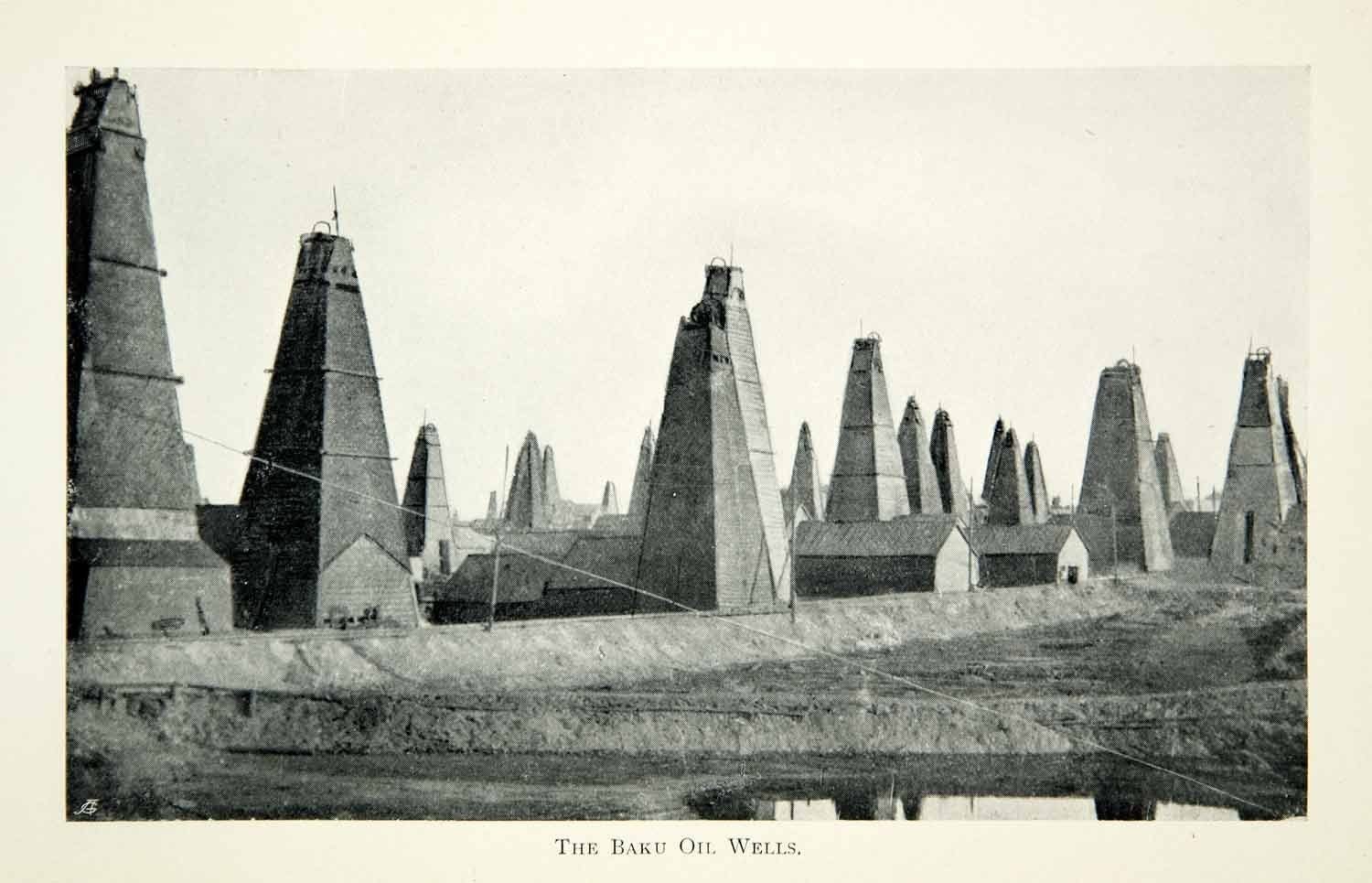
Старые нефтяные вышки Биби-ЭйбатаBibi-Heybat, 1903

Place & oil

A shrine among the oil fields

Bibi-Heybat is not only a mosque. Here too, on the Caspian shore, one of the world's first oil wells was drilled in 1846. The name Bibi-Heybat is also written into the history of oil.

The shrine and the oil fields stand side by side at the water's edge — two symbols of Azerbaijan together.
Place & oil →

Мечеть Биби-Эйбат сегодняToday

Today

A living spiritual centre

Today pilgrims and visitors come to Bibi-Heybat again from all over the world. The mosque has become one of the symbols of the country's revived spiritual heritage.

It is easy to reach — it stands by the highway at the southern entrance to Baku, right on the seashore.

Bibi-Heybat today →

Questions & answers

Bibi-Heybat in brief

What is Bibi-Heybat?
Bibi-Heybat is a historic mosque and revered Muslim shrine on the shore of the Caspian Sea, southwest of Baku. At its heart is the tomb of Ukeyma Khanum; it is one of the main sacred sites of Azerbaijan.
Who was Ukeyma Khanum?
Ukeyma Khanum was a daughter of the seventh Shia Imam Musa al-Kazim. By tradition she found refuge here from persecution and was buried on this spot; the mosque was raised over her tomb.
What happened to the mosque in 1936?
In 1936, at the height of the Soviet anti-religious campaign, the ancient Bibi-Heybat mosque was blown up. The shrine was lost for almost six decades.
When was the mosque rebuilt?
Rebuilding began in 1994, after independence. The restored mosque opened in the late 1990s, and construction of the present ensemble — with three domes and two minarets — was completed by 2008.
What does the mosque look like?
The modern mosque is built of pale stone and crowned with three domes and two minarets. Inside are white marble, green tiles, golden calligraphy and separate prayer halls for men and women.
How do you get to Bibi-Heybat?
The mosque stands on the Caspian shore by the Baku–Alat highway, at the southern entrance to the city, near Bibi-Heybat bay. It is easy to reach from central Baku.