At the water's edge
Shrine and oil on one shore
Bibi-Heybat stands on the Caspian shore, by Bibi-Heybat bay, at the southern entrance to Baku on the road to Alat. The place is famous not only for its mosque.
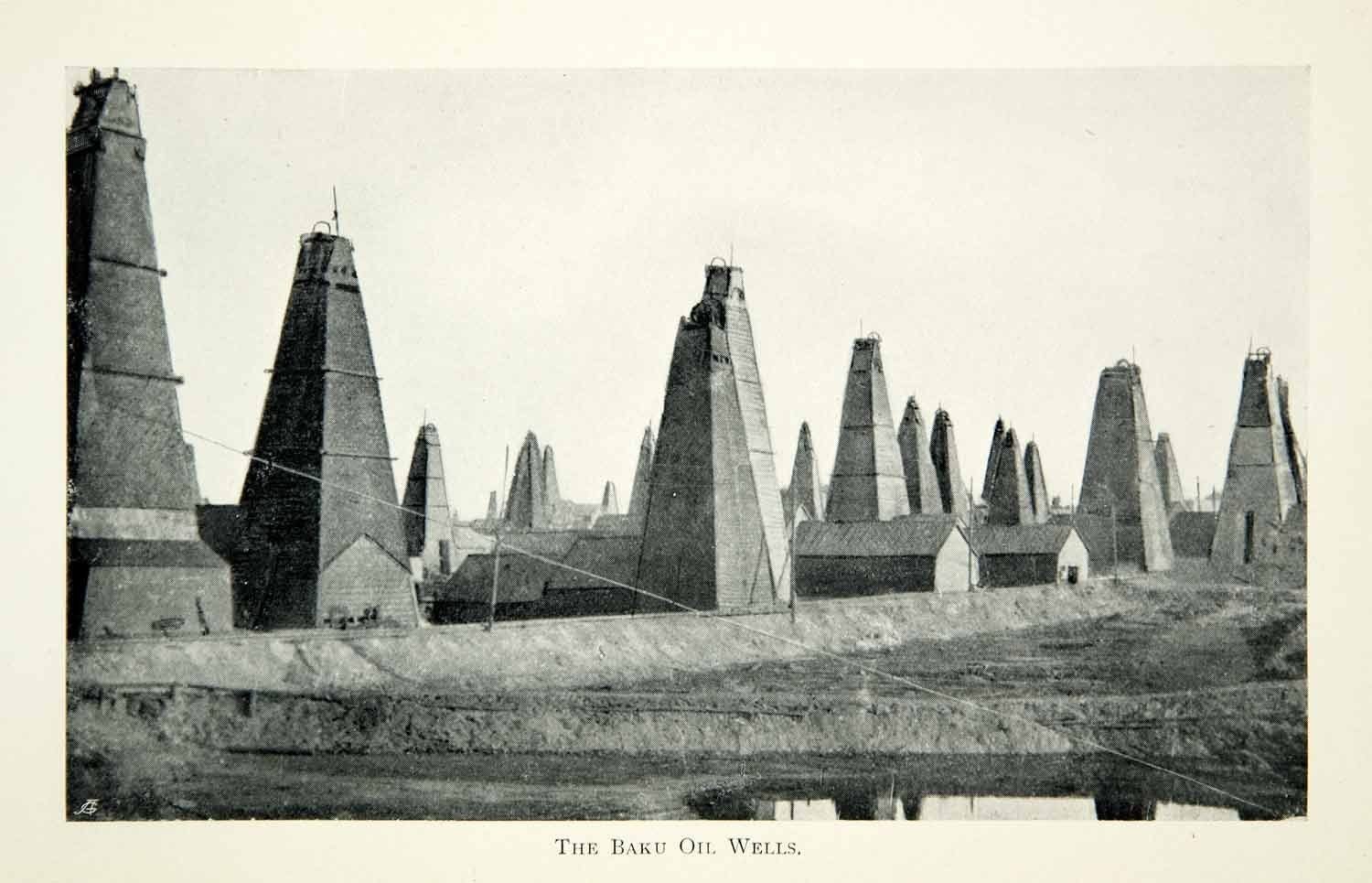
It was right here, at Bibi-Heybat, that one of the world's first oil wells was drilled in 1846 — long before the American one. From here began the industrial history of Baku oil.
Over time part of the bay was filled in for new oil fields. So on one shore came together a spiritual shrine and the cradle of the oil age — two symbols of Azerbaijan.
The Caspian shore
The mosque stands at the water's edge; from its terrace there is a view of the sea and Bibi-Heybat bay.
The 1846 well
At Bibi-Heybat one of the world's first oil wells was drilled — the start of industrial oil production.
The oil boom
At the turn of the 19th–20th centuries the shore was covered with a forest of derricks; Bibi-Heybat entered the history of world oil.
Bibi-Heybat bay
Part of the bay was eventually filled in for new oil fields — a rare example of land reclaimed from the sea.
The Baku–Alat road
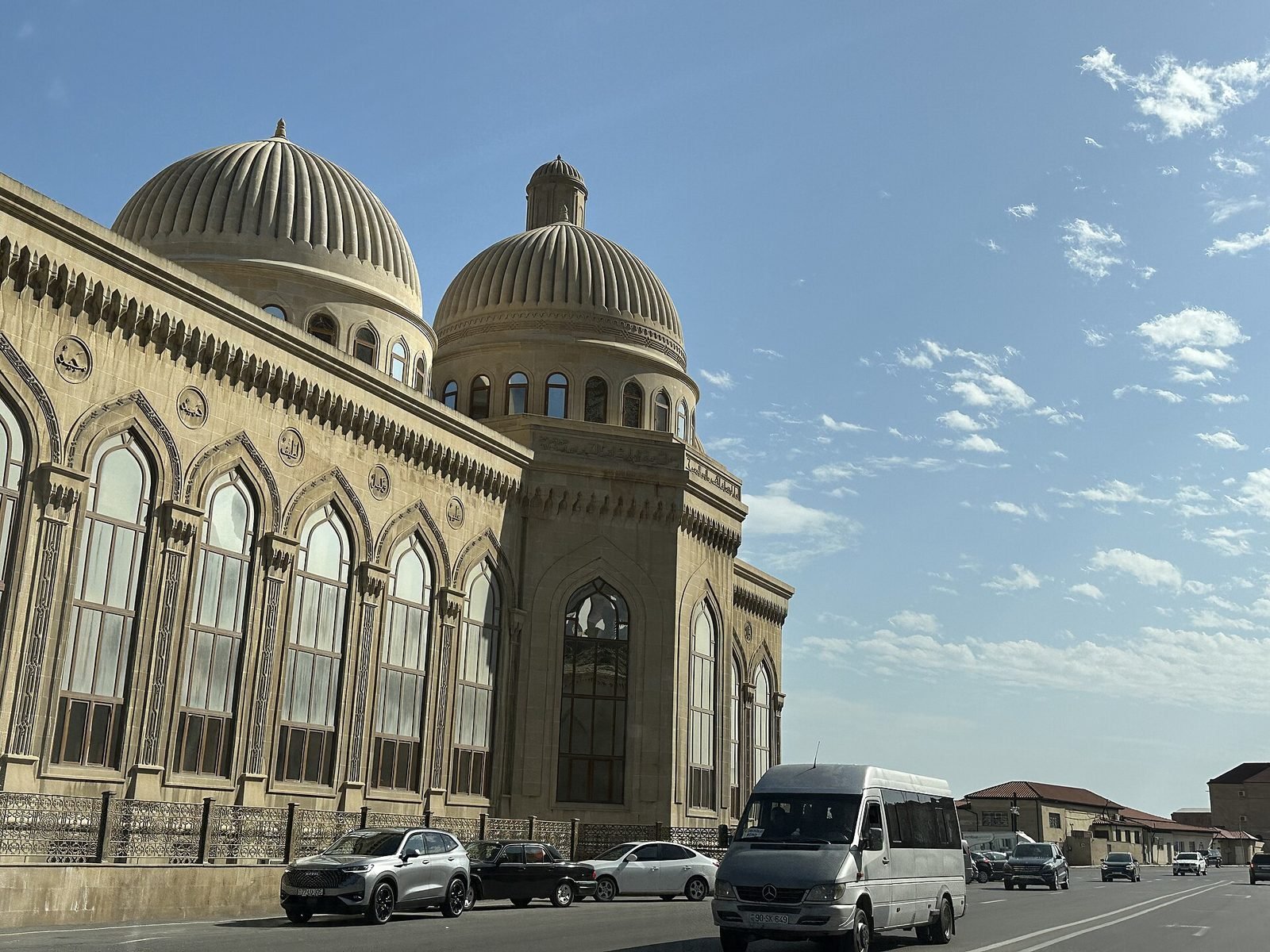
The mosque stands by the highway at the southern entrance to the capital — its domes are visible to those passing by the sea.
Shrine and oil field
The nearness of mosque and oil fields became an image of Azerbaijan itself — faith and oil by one water.
 By the highway
Old and new
Domes over the oil shore
Today the domes of Bibi-Heybat rise where the first oil derricks once stood. The old black-and-white photographs and the present view of the mosque are the history of one and the same shore.
Driving along the highway by the Caspian, you see the mosque from afar — a white ensemble between sea and hills.